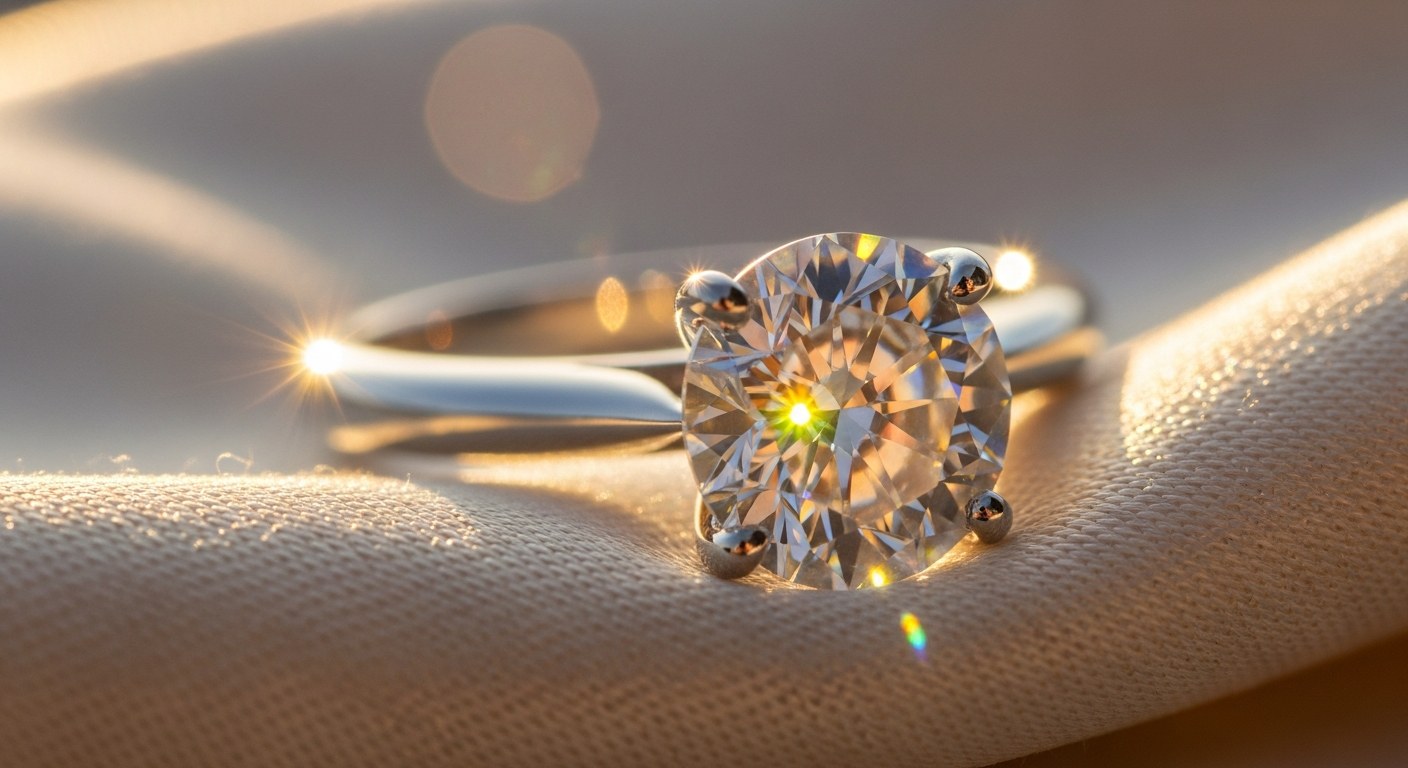
כשנכנסים לחנות תכשיטים, ההצעות מתחלקות לארבע משפחות שנראות דומות בעין הלא-מנוסה. ההבדלים ביניהן הם תהומיים: באיכות, בעמידות, במחיר, וגם בערך הסנטימנטלי. הנה המדריך.
ההבחנה הראשונה היא בין יהלום (אמיתי - טבעי או מעבדה) לבין שני "מתחזים" (מואסניט וזירקוניה). יהלום הוא יהלום - לא משנה אם נוצר באדמה תחת לחץ וחום אדירים, או בתא CVD בשבועיים. מואסניט וזירקוניה הם אבנים אחרות לגמרי.
1. יהלום טבעי
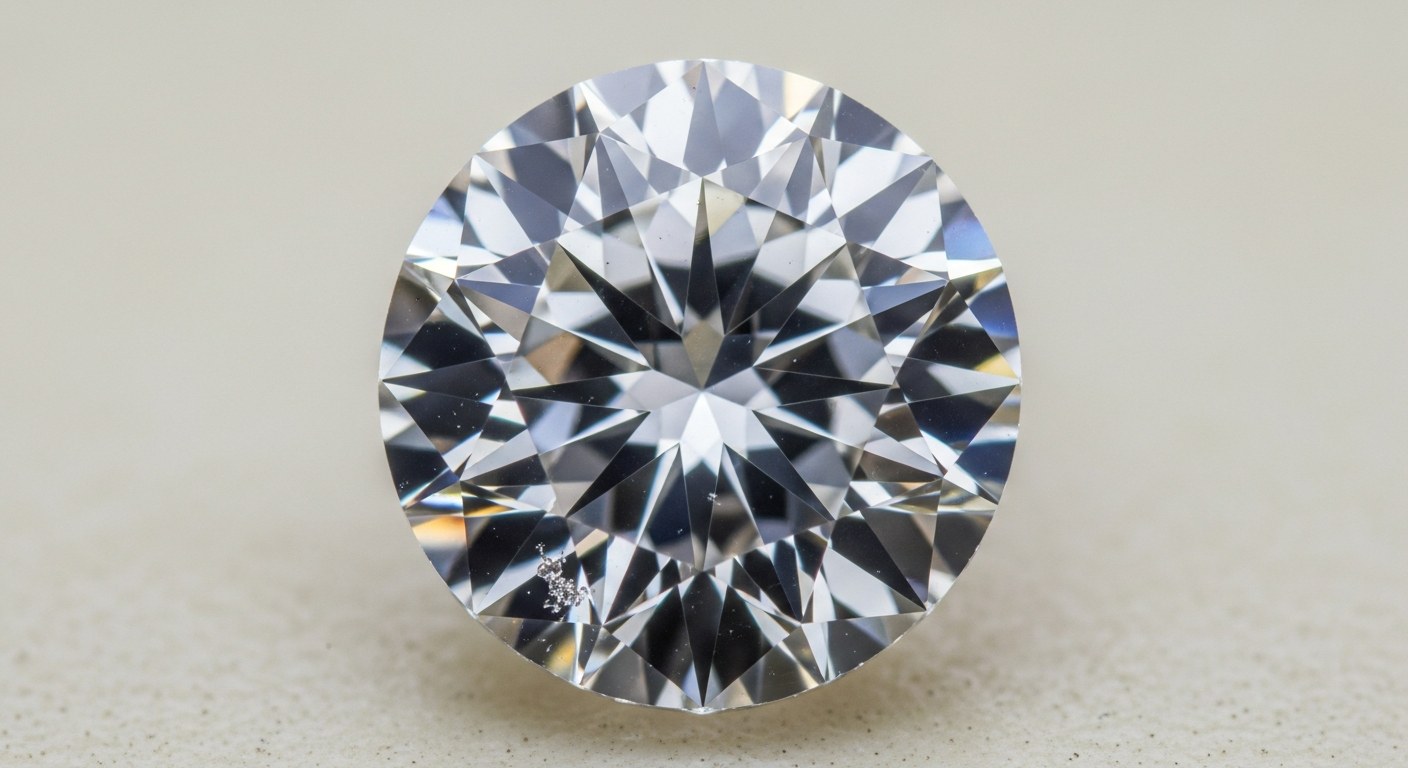
יהלום טבעי
C (פחמן · 10 בסולם מוס · RI 2.42)
היהלום הוא החומר הקשה ביותר בטבע. הוא נוצר בעומק מאות קילומטרים מתחת לפני האדמה, בלחץ וטמפרטורה אדירים. כל יהלום טבעי הוא יחיד וייחודי - לכל אחד יש "טביעת אצבע" של פגמים זעירים (Inclusions) שמסמנים את התהליך הגיאולוגי שלו.
4 הפרמטרים שקובעים את הערך (4C):
- Carat — משקל. נמדד בקראט, כאשר 1 קראט = 0.2 גרם. ככל שהיהלום גדול יותר - הוא יקר יותר באופן לא ליניארי (אבן של 2 קראט יקרה הרבה יותר משתי אבנים של 1 קראט יחד).
- Color — צבע. מסולם D עד Z. D = לבן לחלוטין, חסר צבע (היקר ביותר). Z = גוון צהוב בולט (הזול). ל-D-F קוראים "Colorless", ל-G-J "Near-colorless" - גם הם נראים לבנים בעין.
- Clarity — ניקיון. מ-FL (Flawless, ללא פגמים אפילו בהגדלה ×10) ועד I3 (פגמים שגלויים בעין רגילה). הדרגות הנפוצות בקנייה: VS1, VS2, SI1 - שם הפגמים זעירים ולא נראים בעין רגילה.
- Cut — ליטוש. מדורג מ-Excellent ועד Poor. זה הפרמטר היחיד שתלוי באדם, לא בטבע - הוא קובע כמה אור היהלום מחזיר. ליטוש לא טוב = יהלום שנראה "כבוי" גם אם איכות הצבע והניקיון מצוינים.
תעודה: רוב היהלומים מעל 0.30 קראט מגיעים עם תעודת מעבדה רשמית - GIA (האמריקאית, הסטנדרט הבינלאומי), IGI (בלגית-הודית), או HRD (בלגית). התעודה מציינת את 4 הפרמטרים האלה במספרים מדויקים.
ערך משני: בניגוד למיתוס "Diamonds Are Forever" של דה-בירס - יהלום אינו השקעה כספית. בעת מכירה חוזרת מקבלים בדרך כלל 30%-50% ממחיר הרכישה הקמעונאי, בשל המרווח הסיטונאי. רק יהלומים יוצאי דופן (D / IF / 2ct+ עם תעודת GIA) שומרים ערך יחסית טוב לאורך הזמן.
⚠️ חשוב לדעת: חלק גדול מחנויות התכשיטים בכלל לא מקבלות יהלומים במסגרת רכישה חוזרת או trade-in. גם אם אתם מוכנים לקבל את ההפסד של 50%, מציאת קונה אקטיבי דורשת חיפוש - בעיקר אצל סוחרי יהלומים מורשים, ולא בכל חנות תכשיטים סטנדרטית.
2. יהלום מעבדה (סינטטי)
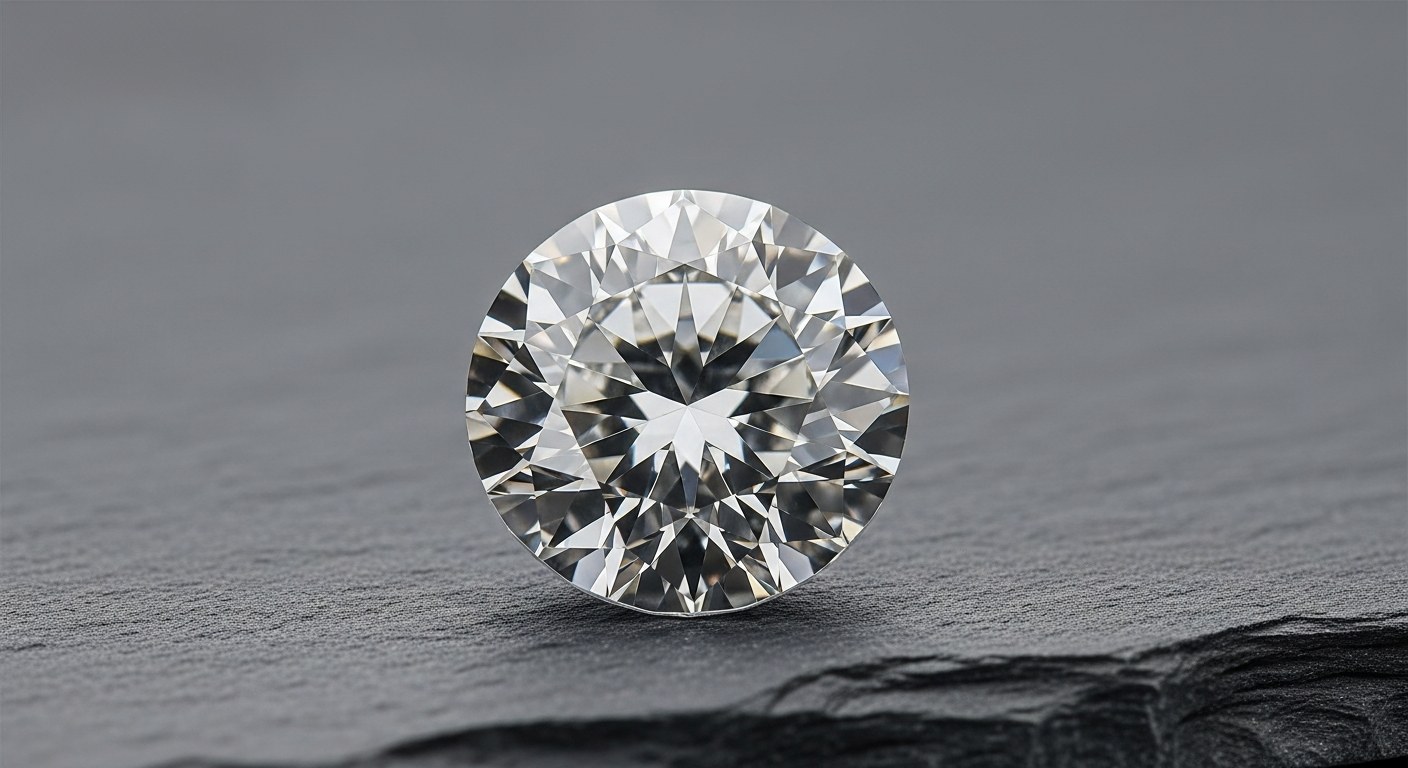
יהלום מעבדה (Lab-Grown · CVD · HPHT)
C (פחמן · 10 בסולם מוס · RI 2.42 - זהה ליהלום טבעי)
זה יהלום אמיתי לכל דבר. אותו הרכב כימי, אותה קשיות, אותם מאפיינים אופטיים. ההבדל היחיד: הוא נוצר במעבדה תוך שבועיים-חודשיים בתהליך CVD (Chemical Vapor Deposition) או HPHT (High Pressure High Temperature), במקום באדמה.
- תעודה: מקבל תעודת GIA / IGI כמו יהלום טבעי, מסומן באופן ברור כ"Lab-Grown".
- איך מבדילים: בלי מכשור מיוחד - אי אפשר. אפילו צורף מנוסה לא יבחין בעין. נדרשת בדיקה במעבדה גמולוגית עם מכשור סינון ייעודי. התעודה היא מה שמעיד.
- ערך משני: בערך באותה ירידת ערך כמו יהלום טבעי - 30%-50% ממחיר הרכישה במכירה חוזרת. שני הסוגים סובלים מאותו המרווח הסיטונאי הגדול.
3. מואסניט
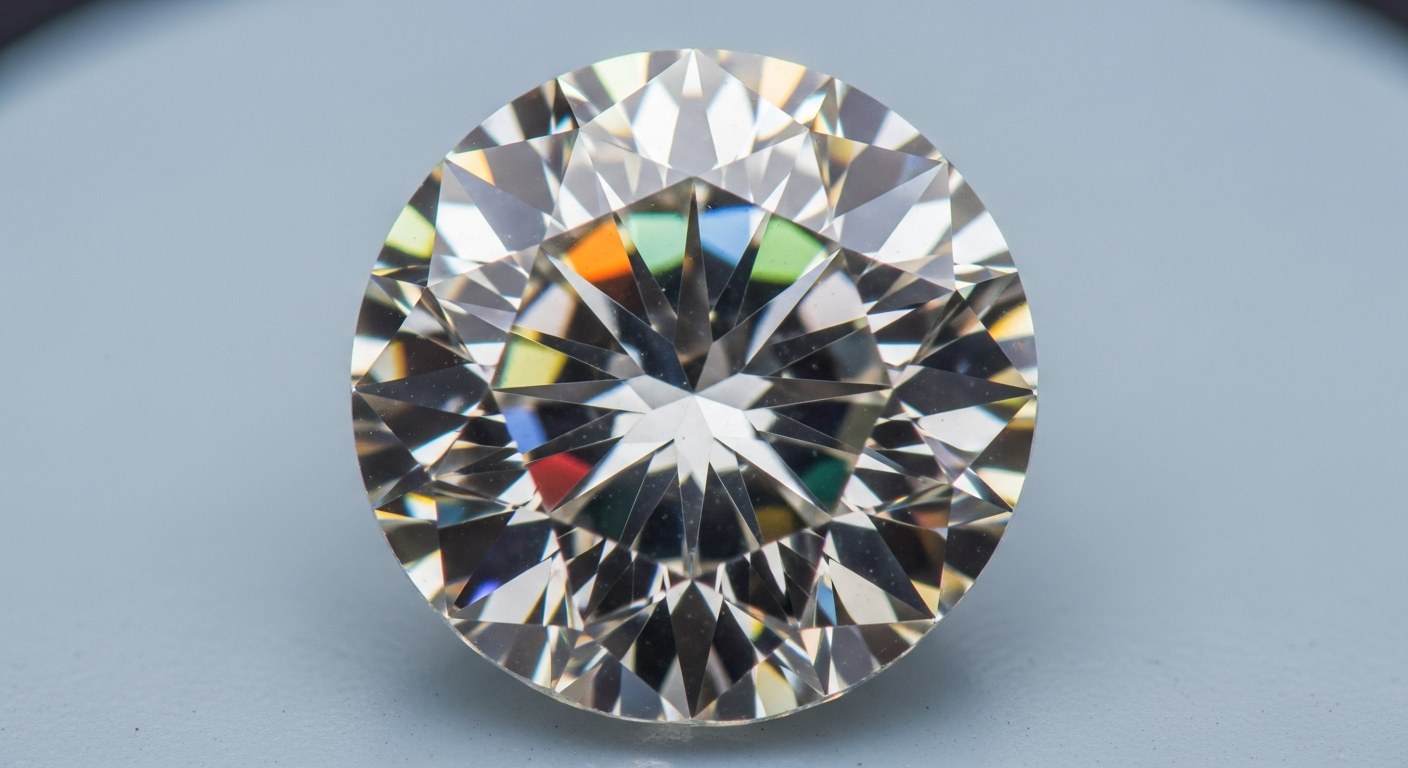
מואסניט (Moissanite)
SiC (קרביד סיליקון · 9.25 בסולם מוס · RI 2.65)
אבן שונה לחלוטין מיהלום. בטבע היא נדירה במיוחד (התגלתה ב-1893 במכתש מטאוריט באריזונה), ולכן כל אבן מואסניט שמוצעת היום מיוצרת במעבדה. היא קשה מאוד (9.25), נוצצת יותר מיהלום, אבל יש לה מאפיין שמסגיר אותה: שבירה כפולה - האור נשבר פעמיים, וזה יוצר אפקט של "קשת בענן" צבעוני שיהלום אמיתי לא מייצר.
- הסימן המסגיר: כשמרכינים את האבן בזווית באור חזק - תראו פיזור צבעוני (כמו פריזמה). ביהלום, הפיזור עדין יותר.
- קשיות: 9.25 - כמעט כמו יהלום, חזק יותר מספיר. מתאים בהחלט ללבישה יומיומית.
- סטטוס משפטי: חוקי לחלוטין למכור, חייב להיות מסומן בבירור כ-"מואסניט" ולא כ"יהלום".
4. זירקוניה (CZ)
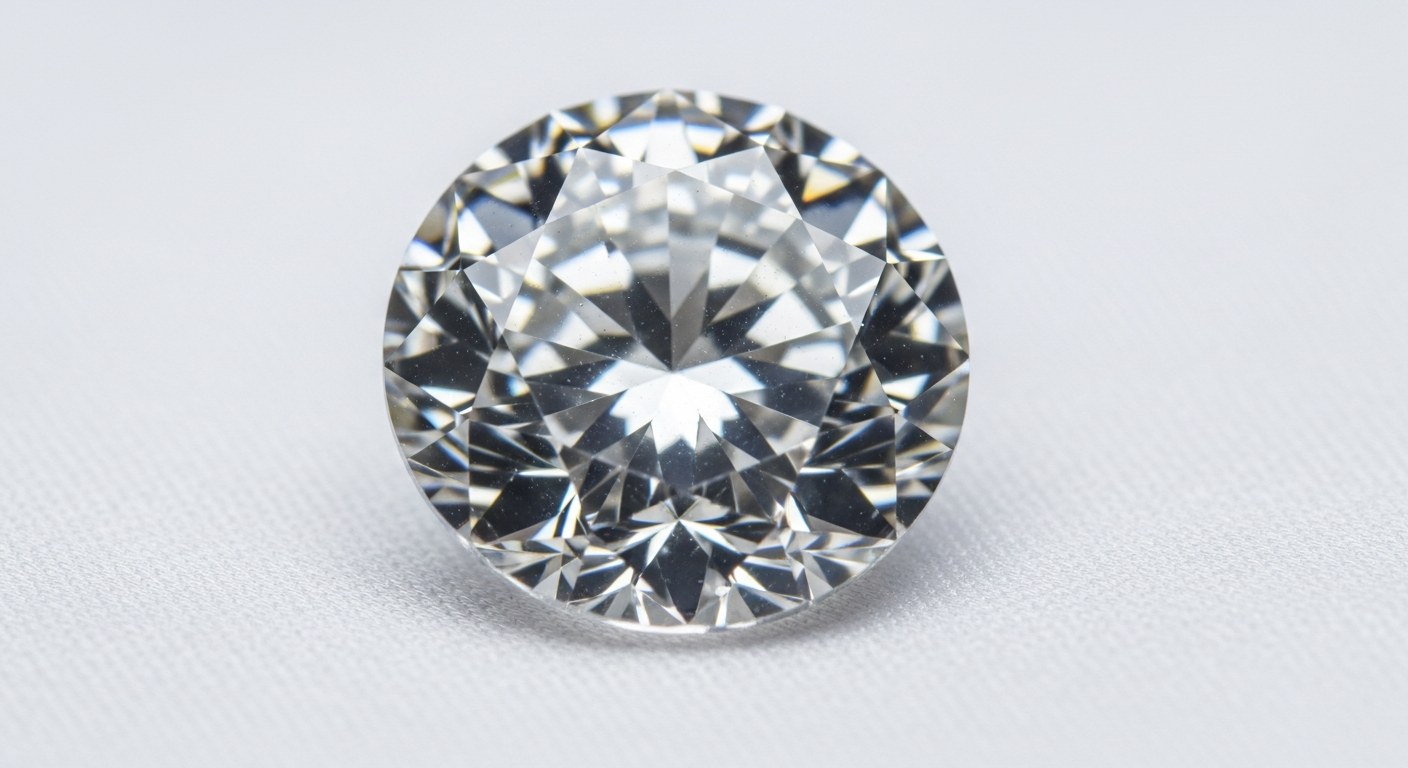
זירקוניה קובית (Cubic Zirconia · CZ)
ZrO₂ (תחמוצת זירקוניום · 8-8.5 בסולם מוס · RI 2.16)
אבן סינתטית במלואה, נוצרה לראשונה בשנות ה-70 כחיקוי ליהלום. היום היא משובצת באופן נרחב בתכשיטי זהב אמיתיים - בעיקר כאבני צד בטבעות זהב 14K ו-18K, ולעתים גם כאבן מרכזית בתכשיטי זהב במחיר נגיש. בעין מנוסה היא נראית "זכוכיתית" יחסית, בלי ה"חיים" של יהלום, אבל ברוב התכשיטים ההבדל זניח.
- קשיות 8-8.5: פחות קשה מיהלום (10) או מואסניט (9.25). נשרטת יותר בקלות, ואחרי כמה שנים של לבישה יומיומית - השריטות מתחילות להשפיע על הברק.
- תוחלת חיים: שנים של ברק טוב, ואז עכירות הולכת ומצטברת. אפשר להחליף את האבן בקלות בעלות נמוכה.
- שימוש מקובל: משובצת בהיקף נרחב גם בתכשיטי זהב אמיתיים - שרשראות, עגילים, טבעות יוקרה במחיר נגיש. לא רק בתכשיטי אופנה.
טבלת השוואה מהירה
| פרמטר | יהלום טבעי | יהלום מעבדה | מואסניט | זירקוניה |
|---|---|---|---|---|
| הרכב כימי | פחמן (C) | פחמן (C) | SiC | ZrO₂ |
| קשיות (מוס) | 10 | 10 | 9.25 | 8-8.5 |
| מקדם שבירה (RI) | 2.42 | 2.42 | 2.65 | 2.16 |
| פיזור (Fire) | 0.044 | 0.044 | 0.104 | 0.060 |
| תעודה רשמית | GIA / IGI | GIA / IGI (Lab-Grown) | אישור יצרן | אין |
| ערך משני (במכירה) | 30-50% מהמחיר | 30-50% מהמחיר | נמוך, יציב | אפסי |
| טווח מחיר אבן (1ct) | ₪9-28K | כ-₪1,700 | ₪150-500 | גרושים |
מה אפשר לזהות בעין - ומה לא
בלי מכשור, לפי מאפיינים ויזואליים בלבד:
- זירקוניה - הכי קל. הברק "זכוכיתי", קצת לבן-חיוור, וגם לזירקוניה חדשה אין את ה"אש" הפנימית של יהלום.
- מואסניט - מסגיר את עצמו ב-"קשת בענן". אם תזיזו את האבן בזווית מתחת לאור פלואורסצנטי/ספוט, תראו אורות צבעוניים מובהקים. ביהלום זה הרבה יותר עדין.
- יהלום טבעי לעומת מעבדה - אי אפשר. בעין, אפילו צורף מנוסה לא מבחין. גם מכשיר Diamond Tester רגיל לא יעזור: הוא מודד מוליכות ואומר "יהלום", ויהלום מעבדה הוא יהלום. ההפרדה נעשית במעבדה גמולוגית, בעזרת מכשור ייעודי לסינון (כמו GIA iD100 או DiamondView) שבוחן דפוסי גדילה ופלואורסצנציה. בפועל, מה שקובע ללקוח הוא התעודה - יהלום מעבדה מסומן בה במפורש כ-Lab-Grown.
איך לבחור?
תלוי במה שאתם מחפשים:
- יהלום טבעי ← אבן ייחודית עם תהליך טבעי, מסורת ארוכה, ערך סנטימנטלי גבוה. המחיר משקף את הנדירות והשיווק כאחד.
- יהלום מעבדה ← אותם מאפיינים אופטיים, אותה קשיות - בשבריר מהמחיר. ירידת הערך במכירה חוזרת זהה ליהלום טבעי.
- מואסניט ← אבן עצמאית (לא חיקוי), קשה מאוד, נצנוץ צבעוני שונה מיהלום. מחיר נמוך משמעותית. בחירה לגיטימית, לא תחליף.
- זירקוניה ← האבן הנפוצה בתכשיטי זהב סטנדרטיים. סבירה לתקופה ארוכה, נשרטת עם השנים, ניתנת להחלפה בעלות נמוכה.
רוצים לראות את ההבדלים מקרוב?
בחנות שלנו תוכלו לראות בעיניים את ארבעת סוגי האבנים, להחזיק כל אחת ביד, ולקבל הסברים מקצועיים בלי לחץ של מכירה. ייעוץ ראשוני - ללא תשלום וללא התחייבות.
02-5389750 · בואו לבחור יחדגילוי נאות
- הפוסט הוא מדריך מקצועי כללי. בחירת אבן ספציפית דורשת התייעצות פרטנית - גודל, איכות, וסגנון משתנים בין לקוח ללקוח.
- טווחי המחירים הם הערכות עדכניות נכון לתאריך הפרסום. השוק תנודתי, במיוחד עבור יהלומי מעבדה (המחיר ירד משמעותית בשנים האחרונות).
- תעודות מזויפות קיימות. עבור רכישה גדולה, הקפידו על תעודות מקוריות שניתן לאמת באתר GIA / IGI.
Walk into a jewelry shop and the offerings split into four families that look alike to the untrained eye. The differences run deep: in quality, durability, price, and sentimental value. Here's the guide, without the sales pitch.
The first big distinction is between a diamond (real - natural or lab-grown) and two "imposters" (moissanite and zirconia). A diamond is a diamond - whether it formed underground under enormous pressure and heat, or in a CVD reactor in two weeks. Moissanite and zirconia are entirely different stones.
1. Natural Diamond
Natural Diamond
C (carbon · 10 on Mohs · RI 2.42)
The hardest natural material. Formed hundreds of kilometers below the Earth's surface, under enormous pressure and heat. Every natural diamond is unique - each has a "fingerprint" of tiny inclusions that mark its geological process.
- Certification: most diamonds over 0.30ct come with a GIA / IGI / HRD certificate detailing the 4Cs.
- The 4Cs: Carat (weight), Color (D-Z), Clarity (FL-I3), Cut.
- Value: retains value relatively well over time. Active secondary (resale) market.
2. Lab-Grown Diamond
Lab-Grown Diamond (CVD · HPHT)
C (carbon · 10 on Mohs · RI 2.42 - identical to natural)
This is a real diamond, by every measure. Same chemistry, same hardness, same optical properties. The only difference: it forms in a lab in 2-8 weeks via CVD (Chemical Vapor Deposition) or HPHT (High Pressure High Temperature), instead of in the earth.
- Certification: gets a GIA / IGI certificate just like a natural diamond, clearly marked "Lab-Grown".
- How to tell apart: without specialized equipment - you can't. Even an experienced jeweler can't see it. Requires gemmological-lab screening equipment. The report is what proves it.
- Value: 50%-70% cheaper than equivalent natural. But - resale value is significantly lower and dropping as the technology gets cheaper.
3. Moissanite
Moissanite
SiC (silicon carbide · 9.25 on Mohs · RI 2.65)
A completely different stone from a diamond. Originally extremely rare in nature (discovered in 1893 in a meteorite crater in Arizona). What's sold today is lab-grown moissanite. Very hard (9.25), sparkles more than a diamond, but has a giveaway feature: double refraction - light splits twice, creating a rainbow effect a real diamond doesn't produce.
- The giveaway: tilt it under strong light - you'll see distinct colored flashes (prism-like). In a diamond, dispersion is gentler.
- Hardness: 9.25 - almost as hard as diamond, harder than sapphire. Perfectly suitable for daily wear.
- Legal status: completely legal to sell, must be clearly labeled "moissanite" and not "diamond".
4. Cubic Zirconia (CZ)
Cubic Zirconia (CZ)
ZrO₂ (zirconium dioxide · 8-8.5 on Mohs · RI 2.16)
The most familiar "imposter" stone. Fully synthetic, first created in the 1970s as a cheap diamond substitute. To a trained eye - it looks "glassy", lacking the "life" of a diamond.
- Hardness 8-8.5: scratches relatively easily. After 1-2 years of daily wear - scratches start affecting the shine.
- Lifespan: 1-3 years of sparkle, then increasing dullness. The original brilliance can't be restored - not even with professional polishing.
- Use: mainly suitable for fashion / costume jewelry, not for a piece meant to last generations.
Quick comparison table
| Property | Natural | Lab-Grown | Moissanite | CZ |
|---|---|---|---|---|
| Composition | Carbon (C) | Carbon (C) | SiC | ZrO₂ |
| Hardness (Mohs) | 10 | 10 | 9.25 | 8-8.5 |
| Refractive Index | 2.42 | 2.42 | 2.65 | 2.16 |
| Dispersion (Fire) | 0.044 | 0.044 | 0.104 | 0.060 |
| Certificate | GIA / IGI | GIA / IGI (LG) | Manufacturer | None |
| Value over time | Holds value | Decreasing | Low, stable | Negligible |
| Stone price (1ct) | ₪9-28K | ~₪1,700 | ₪150-500 | a few ₪ |
How to tell them apart by eye?
Without equipment, by visual clues only:
- Zirconia - easiest. The shine is "glassy", slightly pale-white, even brand-new it lacks the inner "fire" of a diamond.
- Moissanite - gives itself away with the "rainbow". Move it under a fluorescent light or spotlight - you'll see distinct colored flashes. In a diamond, this is far more subtle.
- Natural vs lab-grown diamond - impossible by eye. Even a trained jeweler can't tell. A standard diamond tester will not help either: it measures conductivity and reports "diamond", and a lab-grown stone is a diamond. Separating the two is a gemmological-lab job using dedicated screening instruments (GIA iD100, DiamondView) that read growth patterns and fluorescence. In practice what settles it for a buyer is the report - a lab-grown diamond is explicitly marked Lab-Grown.
How to choose?
There's no single answer. Depends on what you're looking for:
- "Want a real diamond for an engagement ring that will pass through generations" → natural diamond. Holds value, unique, traditional.
- "Want the look of a diamond, more stone for the money" → lab-grown diamond. Same visual properties at half the price.
- "Want a sparkly daily stone, won't hurt if I lose it" → moissanite. Very durable, sparkles more than a diamond, accessible price.
- "Need the diamond look at minimal cost, not for the long term" → CZ. Fits seasonal jewelry, not a lifetime ring.
Want to see the differences up close?
At our shop you can see all four stone types with your own eyes, hold each one, and get professional explanations with no sales pressure. Initial consultation - free, no obligation.
02-5389750 · Come choose togetherDisclosure
- This post is a general professional guide. Choosing a specific stone requires personal consultation - size, quality, and style vary between customers.
- Price ranges are estimates current as of the publication date. The market is volatile, especially for lab-grown diamonds (prices have dropped significantly in recent years).
- Counterfeit certificates exist. For a major purchase, insist on original certificates verifiable on the GIA / IGI website.
En entrant dans une bijouterie, l'offre se divise en quatre familles qui se ressemblent à l'œil non averti. Les différences sont profondes : qualité, durabilité, prix et valeur sentimentale. Voici le guide, sans argumentaire de vente.
La première grande distinction est entre un diamant (vrai - naturel ou de laboratoire) et deux « imposteurs » (moissanite et zircone). Un diamant est un diamant - qu'il se soit formé dans la terre sous une pression et une chaleur énormes, ou dans un réacteur CVD en deux semaines. La moissanite et la zircone sont des pierres totalement différentes.
1. Diamant naturel
Diamant naturel
C (carbone · 10 sur Mohs · IR 2,42)
La matière naturelle la plus dure. Formé à des centaines de kilomètres sous la surface terrestre, sous une pression et une chaleur énormes. Chaque diamant naturel est unique - chacun porte une « empreinte » de minuscules inclusions qui marquent son processus géologique.
- Certification : la plupart des diamants > 0,30 ct sont accompagnés d'un certificat GIA / IGI / HRD détaillant les 4C.
- Les 4C : Carat (poids), Couleur (D-Z), Clarté (FL-I3), Cut (taille).
- Valeur : conserve sa valeur dans le temps. Marché secondaire actif.
2. Diamant de laboratoire (synthétique)
Diamant de laboratoire (Lab-Grown · CVD · HPHT)
C (carbone · 10 sur Mohs · IR 2,42 - identique au naturel)
C'est un vrai diamant, à tous égards. Même composition chimique, même dureté, mêmes propriétés optiques. Seule différence : il se forme en laboratoire en 2 à 8 semaines par CVD (déposition chimique en phase vapeur) ou HPHT (haute pression haute température), au lieu de la terre.
- Certification : reçoit un certificat GIA / IGI comme un naturel, clairement marqué « Lab-Grown ».
- Comment les distinguer : sans équipement spécialisé - impossible. Même un bijoutier expérimenté ne peut pas le voir. Nécessite un tri en laboratoire gemmologique. C'est le certificat qui fait foi.
- Valeur : 50 % à 70 % moins cher qu'un naturel équivalent. Mais - la valeur de revente est nettement plus basse et continue de baisser.
3. Moissanite
Moissanite
SiC (carbure de silicium · 9,25 sur Mohs · IR 2,65)
Une pierre complètement différente du diamant. À l'origine extrêmement rare dans la nature (découverte en 1893 dans un cratère de météorite en Arizona). Ce qui se vend aujourd'hui est de la moissanite synthétique. Très dure (9,25), brille plus qu'un diamant, mais a un trait révélateur : double réfraction - la lumière se divise deux fois, créant un effet « arc-en-ciel » qu'un vrai diamant ne produit pas.
- Le signe révélateur : inclinez-la sous une lumière forte - vous verrez des flashes colorés distincts (effet prisme). Sur un diamant, la dispersion est plus douce.
- Dureté : 9,25 - presque aussi dure qu'un diamant, plus dure qu'un saphir. Convient parfaitement à un port quotidien.
- Statut légal : totalement légal de la vendre, doit être clairement étiquetée « moissanite » et non « diamant ».
4. Zircone cubique (CZ)
Zircone cubique (CZ)
ZrO₂ (dioxyde de zirconium · 8-8,5 sur Mohs · IR 2,16)
La pierre « imposteur » la plus connue. Entièrement synthétique, créée pour la première fois dans les années 1970 comme substitut bon marché du diamant. À l'œil exercé - elle paraît « vitreuse », sans la « vie » d'un diamant.
- Dureté 8-8,5 : se raye relativement facilement. Après 1-2 ans de port quotidien - les rayures commencent à affecter l'éclat.
- Durée de vie : 1-3 ans d'éclat, puis ternissement croissant. L'éclat d'origine ne peut être restauré - même par un polissage professionnel.
- Usage : principalement pour bijoux fantaisie, pas pour une pièce destinée à durer des générations.
Tableau comparatif rapide
| Propriété | Naturel | Synthétique | Moissanite | CZ |
|---|---|---|---|---|
| Composition | Carbone (C) | Carbone (C) | SiC | ZrO₂ |
| Dureté (Mohs) | 10 | 10 | 9,25 | 8-8,5 |
| Indice de réfraction | 2,42 | 2,42 | 2,65 | 2,16 |
| Dispersion (Feu) | 0,044 | 0,044 | 0,104 | 0,060 |
| Certificat | GIA / IGI | GIA / IGI (LG) | Fabricant | Aucun |
| Valeur dans le temps | Conserve | Décroît | Faible, stable | Négligeable |
| Prix (1 ct-eq) | 9-28 K₪ | ~1 700 ₪ | 150-500 ₪ | quelques ₪ |
Comment les distinguer à l'œil ?
Sans équipement, par indices visuels uniquement :
- Zircone - le plus facile. L'éclat est « vitreux », légèrement pâle, et même neuve elle manque du « feu » intérieur d'un diamant.
- Moissanite - se trahit par l'« arc-en-ciel ». Bougez-la sous un éclairage fluorescent - vous verrez des flashes colorés distincts. Sur un diamant, c'est bien plus subtil.
- Diamant naturel vs synthétique - impossible à l'œil. Même un bijoutier expérimenté ne le voit pas. Un testeur de diamant ordinaire n'y suffit pas : il mesure la conductivité et annonce « diamant », et une pierre de synthèse EST un diamant. La distinction se fait en laboratoire gemmologique avec des appareils de tri dédiés (GIA iD100, DiamondView). En pratique, c'est le certificat qui tranche : un diamant de synthèse y est explicitement mentionné Lab-Grown.
Comment choisir ?
Pas de réponse unique. Cela dépend de ce que vous cherchez :
- « Je veux un vrai diamant pour une bague de fiançailles transmissible » → diamant naturel. Conserve sa valeur, unique, tradition.
- « Je veux l'apparence d'un diamant, plus de pierre pour mon argent » → diamant synthétique. Mêmes propriétés visuelles à moitié prix.
- « Je veux une pierre brillante au quotidien, sans peur de la perdre » → moissanite. Très durable, brille plus qu'un diamant, prix accessible.
- « Il me faut l'apparence du diamant à coût minime, pas pour le long terme » → CZ. Convient aux bijoux fantaisie, pas à une bague de toujours.
Voulez-vous voir les différences de près ?
Dans notre boutique, vous pouvez voir les quatre types de pierres de vos propres yeux, tenir chacune en main, et obtenir des explications professionnelles sans pression de vente. Consultation initiale - gratuite, sans engagement.
02-5389750 · Venez choisir ensembleAvertissement
- Ce billet est un guide professionnel général. Le choix d'une pierre spécifique exige une consultation personnalisée.
- Les fourchettes de prix sont des estimations actuelles à la date de publication. Le marché est volatil, surtout pour les diamants synthétiques.
- Des certificats contrefaits existent. Pour un achat important, insistez sur des certificats originaux vérifiables sur le site GIA / IGI.